

 See My Latest Article on HelloNation
Are Natural Disasters Covered by Standard Homeowners Insurance Policies?
Homeowners insurance in Garden City, NY generally covers some—but not all—natural disasters. While the typical policy provides protection from hazards like windstorms and certain types of water damage, major events such as floods and earthquakes are often excluded. Understanding precisely what is and isn't covered helps residents avoid costly surprises after severe weather.
Most area households are protected against fire, lightning, hail, and wind-driven rain. However, insurance almost always excludes floods and earth movements unless supplemental coverage is purchased. It’s easy to assume “natural disaster” coverage is all-inclusive, but the reality is more nuanced.
What Types of Natural Disasters Are Usually Covered?
Standard homeowners policies typically respond to:
- Fires caused by lightning strikes or wildfires—even if sparked during a major storm
- Windstorms, including damage from strong winds or hurricanes (although hurricane-related flooding is not included)
- Hail damage to roofs, siding, windows, and more
- Ice and snow damage, like a roof collapsing under heavy accumulation—provided routine maintenance was kept up
If a tree falls on the home during a fierce windstorm, resulting property damage is usually covered. Similarly, if hail shatters windows during a summer storm, repairs are typically reimbursed (after deductibles). Most standard policies are designed to help homeowners recover from these scenarios, given Garden City’s exposure to nor’easters, thunderstorms, and the rare hurricane.
What Natural Disasters Are Not Covered by Standard Insurance?
Flooding and earthquake damage—no matter the specific cause—are two of the most notable exclusions. In Garden City, both can be a potential concern due to the local climate and geology.
Here’s what is typically not covered:
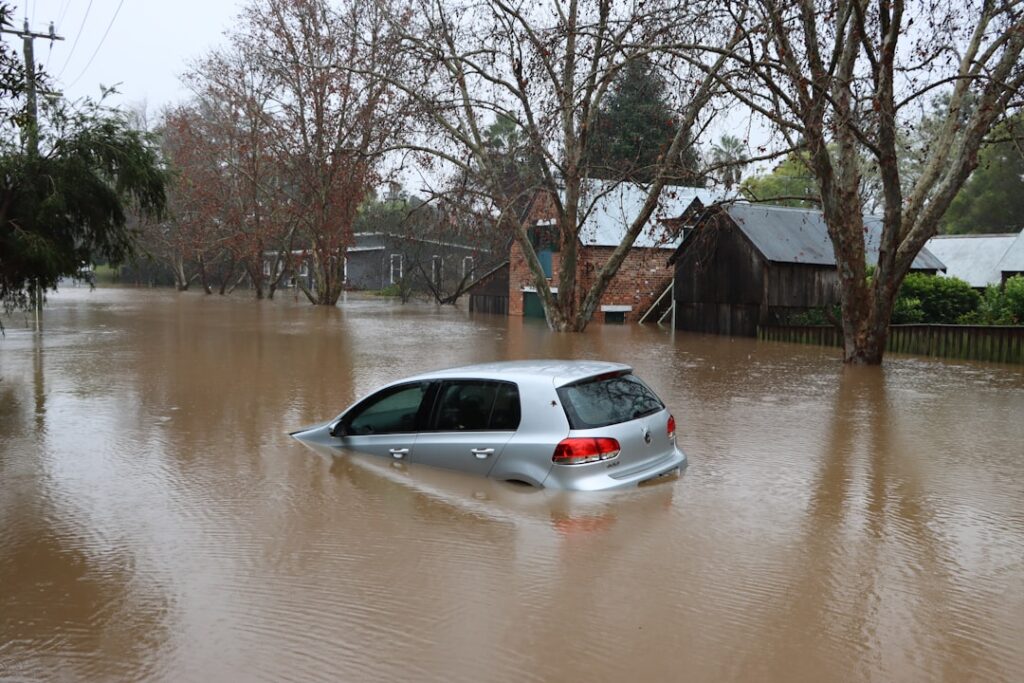
- Floods from rising groundwater, heavy rain, storm surge, or overflowing rivers require a separate flood insurance policy
- Earthquake damage (including aftershocks, ground cracking, or sinkholes) needs a dedicated earthquake policy or endorsement
- Mudslides and landslides—these are distinct from covered types of “water damage”
It’s a common misconception that all water damage after a storm is covered. If water comes from above, like rain through a damaged roof, that’s normally included. If it seeps up from the ground or enters from flooded streets, most homeowners policies do not apply.
How Do Local Risks Change What Homeowners Need to Know?
Garden City experiences all four seasons and is periodically affected by nor’easters, coastal storms, wet springs, and harsh winters. While major hurricanes and earthquakes are rare, heavy rain, flash flooding, and ice storms pose recurring risk.
Local homeowners should consider:
- Older homes with basements in low-lying areas are more susceptible to flooding—from both rain and melting snow
- Mature landscaping and tall trees might present added wind or storm vulnerability
- Even mild earthquakes have been felt in the region, prompting some residents to ask about seismic coverage
Garden City is not within a high-risk floodplain, but “100-year” or “500-year” floods can and do occur. Flood insurance, available through the National Flood Insurance Program (NFIP) or private insurers, fills this gap for those seeking broader protection.
Does Insurance Pay for Temporary Housing After a Disaster?
If a covered event—like a house fire or windstorm—makes a home uninhabitable, most standard policies in Garden City include “loss of use” or additional living expense coverage. This pays for reasonable costs to stay elsewhere (hotel, rental, meals) until repairs are complete.
If the damage is from an event not covered by the primary policy (such as flooding), these expenses are not reimbursed unless added protection is in place.
What Should Garden City Residents Check in Their Policies?
It’s wise to review coverage specifics before disaster strikes. Key questions to ask:
- What “perils” (specific risks) are listed as covered and excluded?
- Are deductibles higher for wind, hail, or hurricane claims?
- Is sewer backup included, or does it require an extra endorsement?
- Are expensive home improvements or additions reflected in the policy value?
- Does the policy cover the replacement cost of your home and possessions, or just their actual cash value?

Documentation matters, too. Keeping updated records (photos, receipts, descriptions) of one’s belongings helps prove loss if a claim is necessary.
Are There Locally Specific Exclusions or Considerations?
Some exclusions or requirements are specific to Garden City’s geography and housing stock:
- Some policies may have unique wind or hail deductibles, especially after regional storm events
- Certain older homes may require storm-resistant updates to qualify for specific coverages
- Damage from local sewer or drain backups might not be covered without a special endorsement—even if caused indirectly by storms
Local ordinances can require repairs to meet current codes, not just restore old features. Coverage for this increased cost (“ordinance or law” protection) may be limited unless specifically added.
What Steps Can Residents Take to Strengthen Protection?
Prevention and preparation matter for both safety and insurance. Some steps that help reduce risk or complications include:
- Checking if flood insurance is available or necessary, even outside high-risk zones
- Making small home upgrades such as keeping gutters clear, installing sump pumps, or trimming trees near the house
- Signing up for local emergency alerts and staying informed about seasonal severe weather threats
- Reviewing (and updating) policy limits, deductibles, and covered perils each year—especially after major life changes
While no policy covers every possible disaster, understanding the most likely risks in Garden City—and addressing any gaps in protection—helps area households recover faster, with fewer surprises in a crisis.